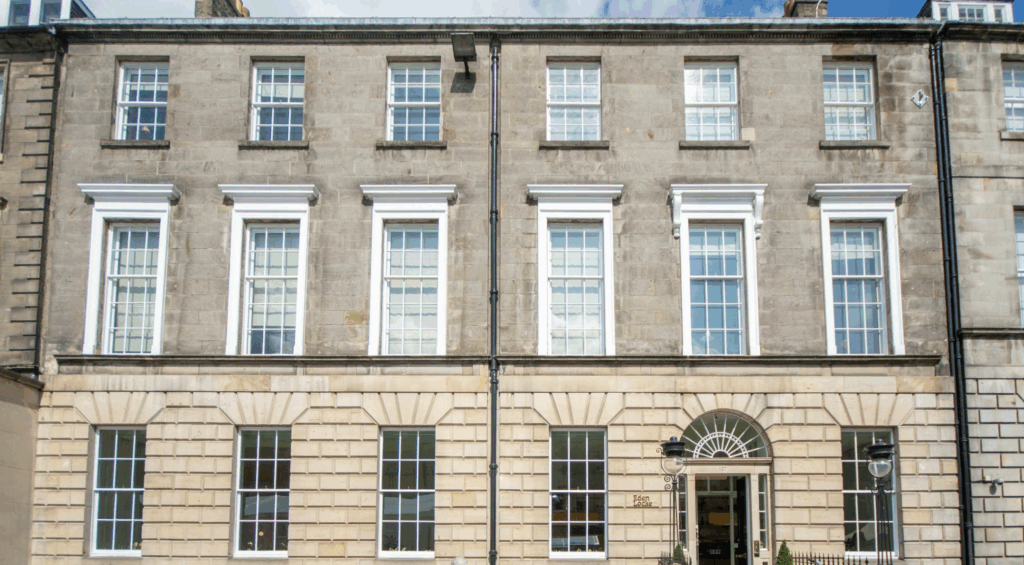
Secondary glazing is an effective and discreet way to improve insulation, reduce noise, and enhance comfort in UK homes without replacing existing windows. It is particularly popular for period properties, listed buildings, and homes in busy or noisy areas where original windows must be retained.
Secondary glazing involves fitting a slim, internal window pane on the inside of your existing window. This creates an insulating air gap between the original window and the secondary pane, significantly improving thermal and acoustic performance while preserving the external appearance of the property.
Key Benefits
Improved Thermal Insulation
By creating an additional barrier against heat loss, secondary glazing helps keep your home warmer in winter and cooler in summer, reducing energy bills.
Excellent Noise Reduction
Secondary glazing is highly effective at reducing external noise, making it ideal for homes near busy roads, railways, airports, or city centres.
Preserves Original Windows
Perfect for period properties and listed buildings, secondary glazing allows you to retain original timber sash or casement windows while upgrading performance.
Cost-Effective Solution
Secondary glazing is often more affordable than full window replacement, offering significant improvements at a lower cost.
Enhanced Security
The additional internal pane provides an extra layer of protection, helping to deter intruders.
Types of Secondary Glazing
Secondary glazing systems can be tailored to suit different window styles and access requirements:
Vertical Sliding Secondary Glazing – Ideal for sash windows, maintaining traditional operation.
Horizontal Sliding Secondary Glazing – Suitable for wide windows and Yorkshire sash styles.
Lift-Out Panels – A removable option, often used where occasional access is required.
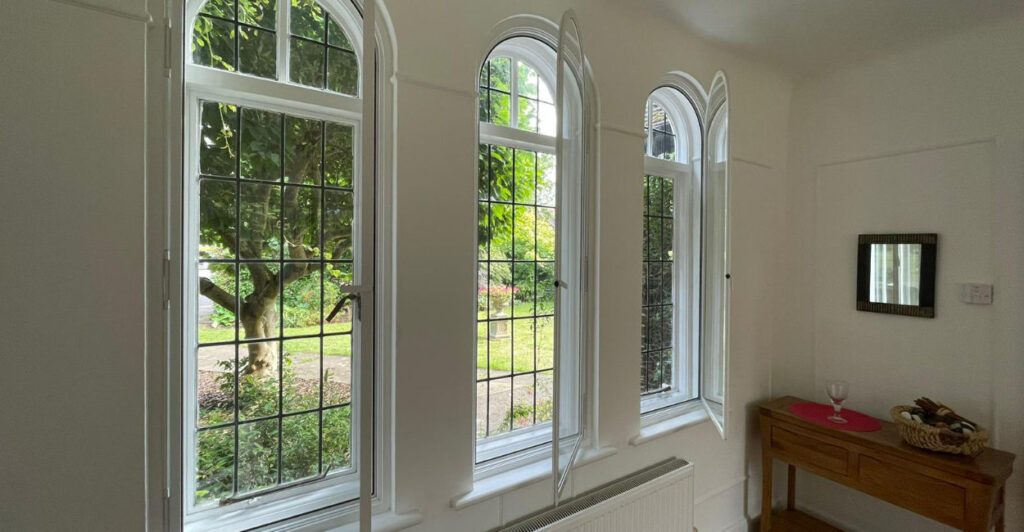
Hinged Secondary Glazing – Opens like a door for easy cleaning and ventilation.
Fixed Secondary Glazing – Best for windows that do not need to be opened.
Secondary Glazing for Period & Listed Buildings
Secondary glazing is often the preferred solution for listed buildings and properties in conservation areas, as it does not alter the external appearance. It can be designed to be fully reversible and visually unobtrusive, helping to meet local authority and heritage requirements.
Energy Efficiency & Building Regulations
Secondary glazing can help homes meet improved energy efficiency standards, although it is treated differently from full double glazing under UK building regulations. In most cases, secondary glazing does not require planning permission and is exempt from FENSA certification, making installation straightforward.
Discreet Design & Finishes
Modern secondary glazing frames are slim and available in a range of finishes, including white, black, and custom colours. When professionally installed, they blend seamlessly into the interior and are barely noticeable.
Is Secondary Glazing Right for Your Project?
Secondary glazing is ideal if you want to improve warmth, reduce noise, or enhance security without replacing your existing windows. It is especially suitable for older properties, flats, and homes where traditional windows must be retained.